Faculty Highlights
Grants, Awards, Promotions and Accomplishments
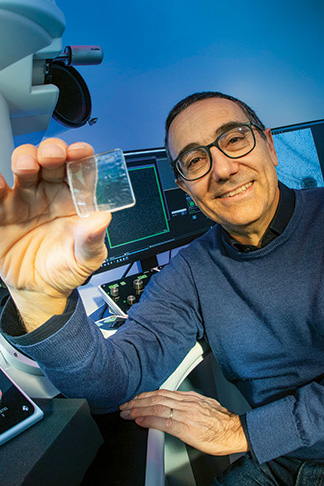
Massimo F. Bertino, Ph.D. (Physics), was selected as VCU’s 2024 Billy R. Martin Innovator of the Year for his career-long translational research into aerogels. Bertino and his team found a way to produce aerogels more easily, at less cost, and more safely using readily available chemicals and traditional processes.
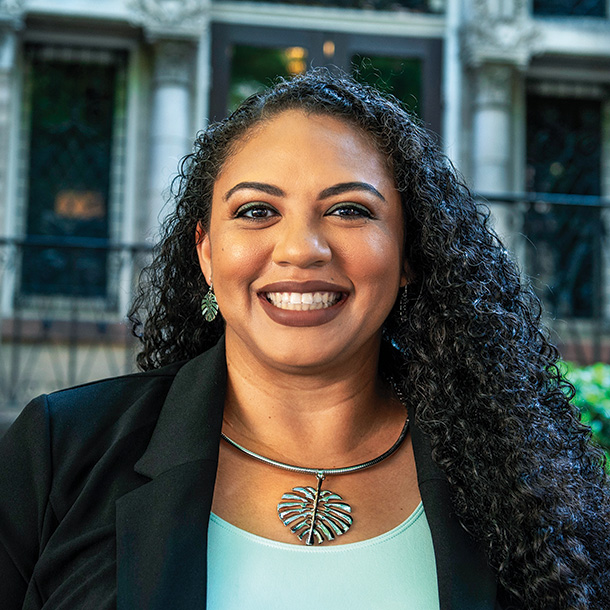
Fantasy Lozada, Ph.D. (Psychology), received the Presidential Early Career Award for Scientists and Engineers — the highest honor given by the federal government to those early in their careers — for her research into understanding the development of emotion and emotion-related processes among African American youth and families.
Kevin Allison, Ph.D. (Psychology), received a $225,000 grant from the City of Richmond for an evaluation of the City of Richmond Community Violence Intervention and Prevention Initiative Program.
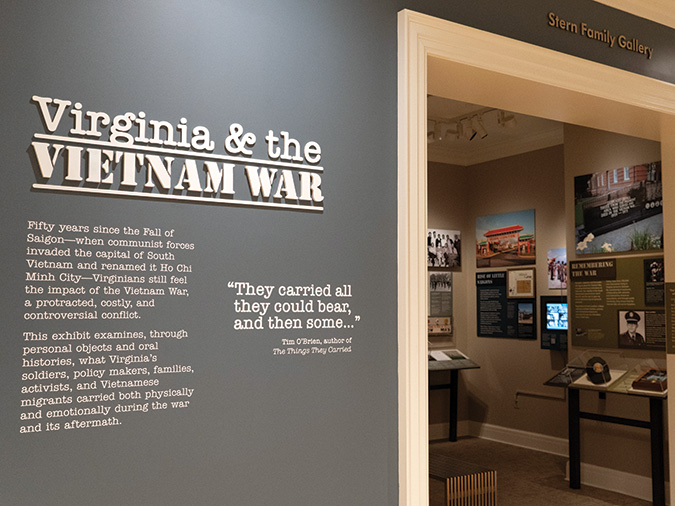
Emilie Raymond, Ph.D. (History), guest-curated an exhibition at the Virginia Museum of History & Culture titled “Virginia & the Vietnam War,” which brought together stories from Virginia veterans, diplomats, Vietnamese American refugees, military family members, and pro- and anti-war activists.
Julio Alvarez, Ph.D. (Chemistry), received a four-year, $554,941 grant from the Alfred P. Sloan Foundation, for a project that aims to identify mechanisms that could have contributed to the emergence — 4 billion years ago — of the Last Universal Common Ancestor by analyzing microdroplet growth and division.
Pablo Alejandro Duran Oliva, Ph.D. (Mathematics), received a $741,948 grant from the National Science Foundation for his project “Collaborative Research: Exploring Student Interactions in Small Groups in Belonging-Oriented Undergraduate Mathematics Classrooms.”
Andrew Eckert, Ph.D. (Biology), received a $402,957 grant from the National Science Foundation for his project “Disentangling Demography and Adaptation During the Evolution of Reproductive Isolation for Pines.”
Adam Ewing, Ph.D. (AFAM), was awarded a National Humanities Center fellowship for his project, tentatively titled “Blacklands: The Global Fight for African Freedom,” which will examine how pan-Africanism became a meaningful politics for Black community building, organizing, and resistance to white supremacy.
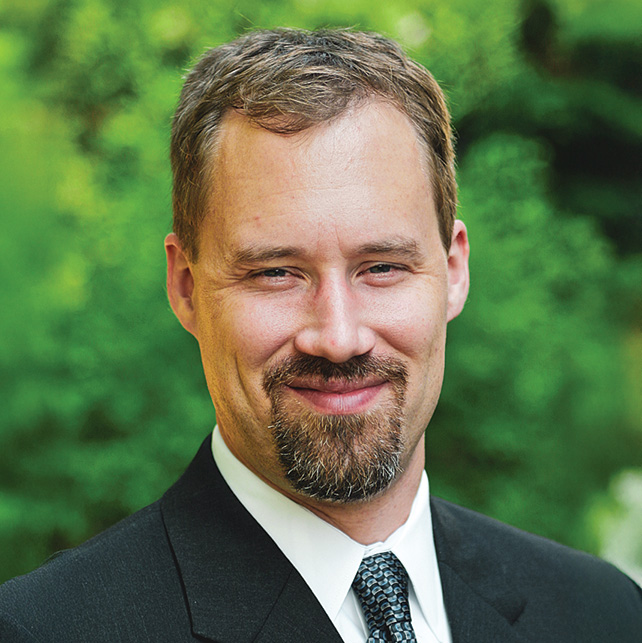
Bryce D. McLeod, Ph.D. (Psychology), received a $1.8 million federal grant from the National Institute of Mental Health to assess and optimize a treatment practice related to youth mental health.
Fabio Gomes, Ph.D. (Chemistry), received the Ralph E. Powe Junior Faculty Enhancement Award from Oak Ridge Associated Universities. This competitive research award is given to junior faculty members and will support his project “Structural Elucidation of ER-36 Proteoforms and Their Complexes Within Cells.” Learn more about Gomes’ research on p. 14.
Cheng Ly, Ph.D. (Mathematics), received a $240,800 grant from the University of Arkansas for his project “Tunable Multi- timescale Cortical Dynamics: Fundamental Theory and Practical Tools.” This mathematical theory will address the grand challenge of how to delineate complex brain activity into healthy versus pathological or diseased states.
Michelle Peace, Ph.D. (Forensic Science), received a $443,352 grant from the Virginia Foundation for Healthy Youth for her research on the “Chemical Characterization of Confiscated E-Cigarette Products Across Virginia.”

Amy Rector, Ph.D. (Anthropology), received a $299,999 grant from the National Science Foundation for “A Landscape Approach to Ecological and Hominin Diversity Between 2.8 and 2.4 Ma at Ledi-Geraru, Afar Region, Ethiopia.” This project will examine how human ancestors existed and interacted on the landscape nearly 3 million years ago, the kinds of environments they lived in, and how they evolved in response to environmental change.
Kathryn Shively, Ph.D. (History), received a fellowship from Penn State in support of her project “History Wars: Jubal A. Early and the Confederate Origins of Modern American History.”
Cristina Stanciu, Ph.D. (English), received an 18-month, $150,000 grant from the Mellon Foundation to expand the university’s Indigenous humanities efforts through development of a new lab housed in the Humanities Research Center.
Dewey Taylor, Ph.D. (Mathematics), was awarded the 2025 M. Gweneth Humphreys Award from the Association for Women in Mathematics for the worldwide reach of her mentorship activities.
Shawn O. Utsey, Ph.D. (AFAM), was ranked among the top 50 researchers in his field according to the 2024 Stanford Elsevier Top Scientists List. Compiled by Stanford University and analytics firm Elsevier, the list identifies the most influential scholars and scientists worldwide — the top 2% — based on citation metrics, co-authorship, and other factors that ensure a diverse roster and representation of researchers.
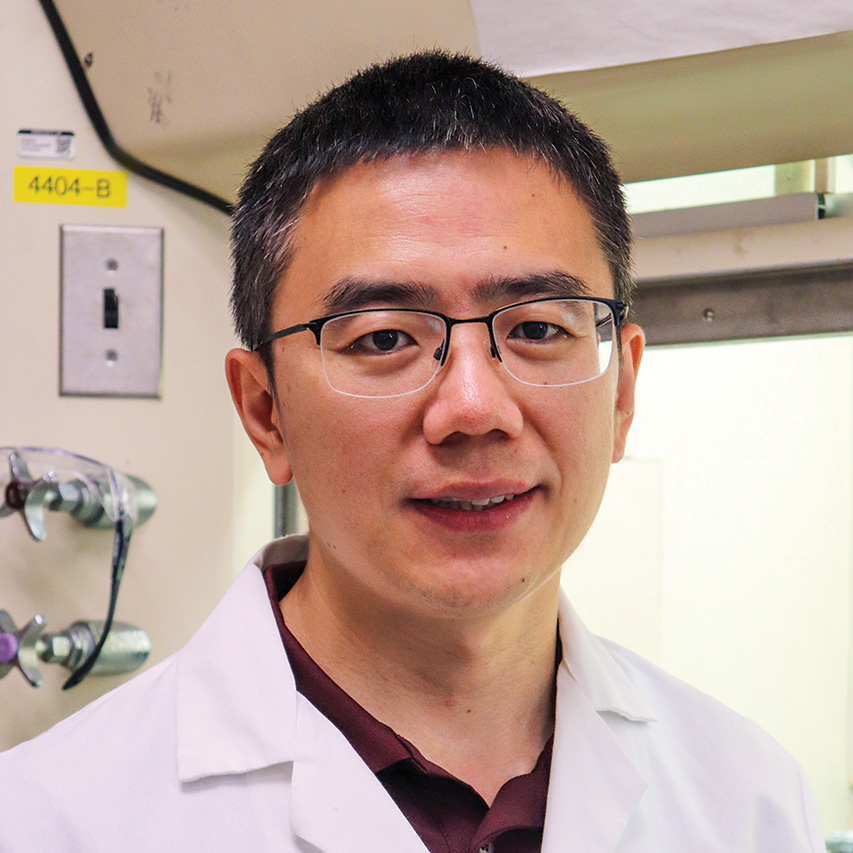
Xuewei Wang, Ph.D. (Chemistry), received a State Council of Higher Education and Dominion Energy 2025 Outstanding Faculty Award. Wang was named as a Rising Star, which rewards early-career achievement. His current research focuses on developing ultrasensitive optical and electrochemical sensors for affordable and accessible medical diagnostics and disease management. Wang also received a $1,056,000 grant from the National Institute of Biomedical Imaging and Bioengineering for his project “Ultrasensitive Ion-Selective Optodes for Self-Testing of Blood Electrolytes.”
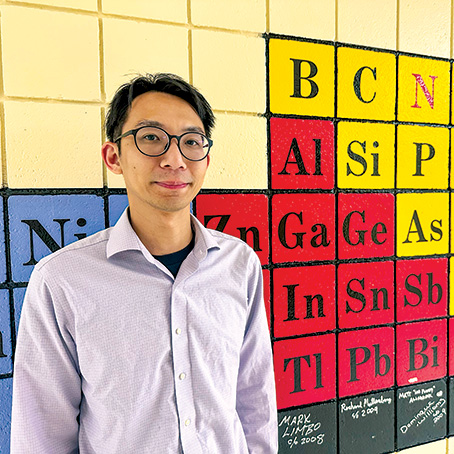
Ka Un Lao, Ph.D. (Chemistry), received the National Science Foundation’s CAREER award for his project “Integrating Grassmannians With Electronic Structure Theory for Next- Generation Quantum Chemistry,” which supports the development of advanced computational tools for studying complex chemical systems. They include materials used in clean energy technologies that could combat climate change. Lao also was recognized by the American Chemical Society’s Division of Computers in Chemistry for the novelty and significance of his research. He was one of four spring 2025 winners of ACS COMP’s OpenEye Cadence Molecular Sciences Outstanding Junior Faculty Award in Computational Chemistry, which recognizes exceptional tenure-track junior faculty from institutions around the world.
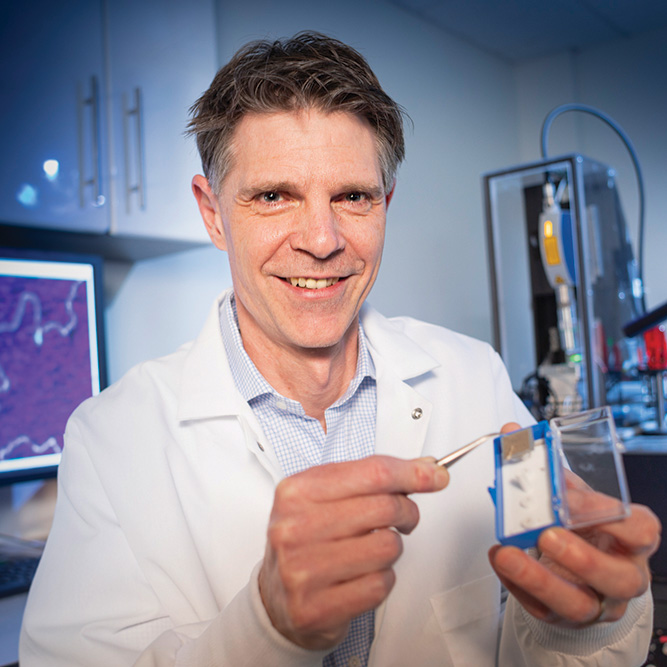
Jason Reed, Ph.D. (Physics), was named a senior member of the National Academy of Inventors for his development of high-speed DNA-reading technology. He is the holder of 12 domestic and eight international patents.
Brian Fuglestad, Pd.D. (Chemistry), received the 2024 Young Investigator Award from pharmaceutical giant Eli Lilly and Co. for his lab’s research into proteins linked to notable diseases.
Just Published
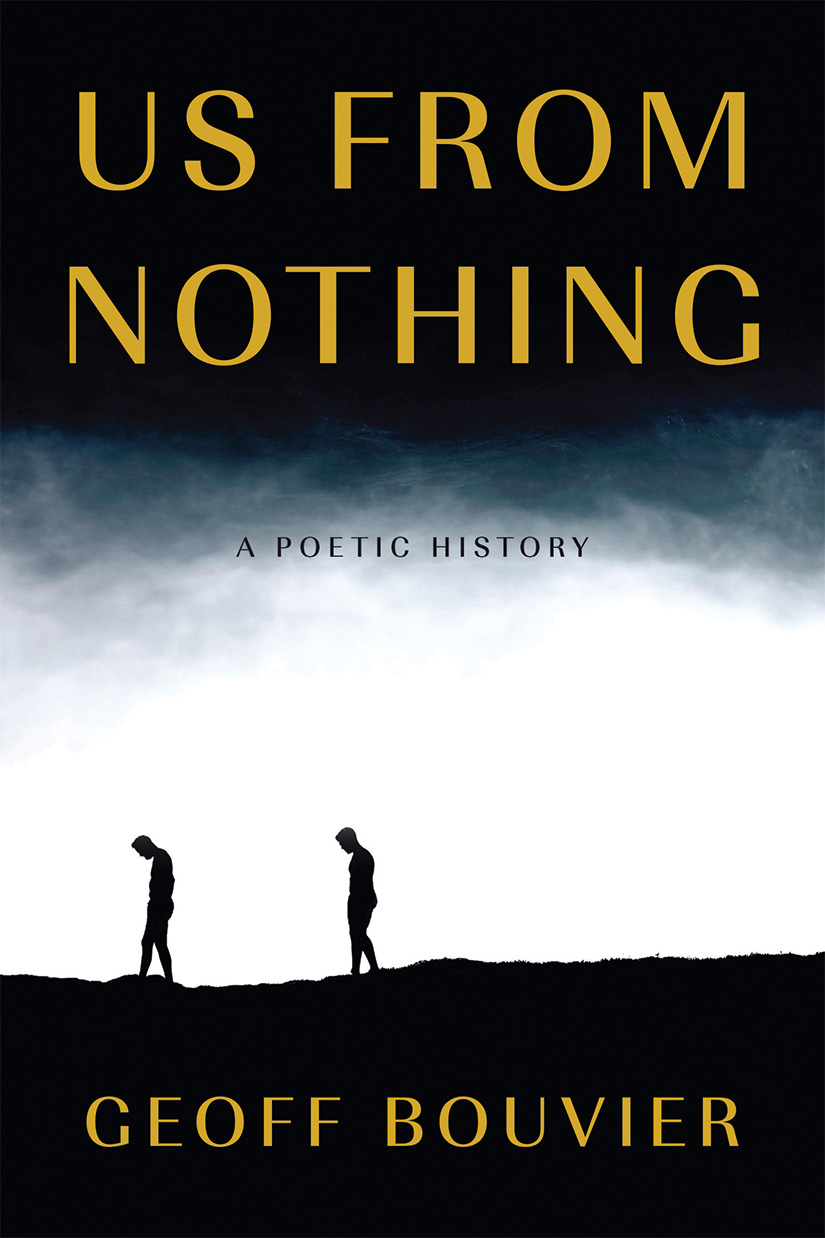
Geoff Bouvier, Ph.D. (English), published “Us From Nothing,” a poetry collection that looks back on humanity’s history with an epic that spans billions of years — from the Big Bang and the emergence of Homo sapiens to the first recorded use of writing around 3200 B.C.E. and the moon landing in 1969.
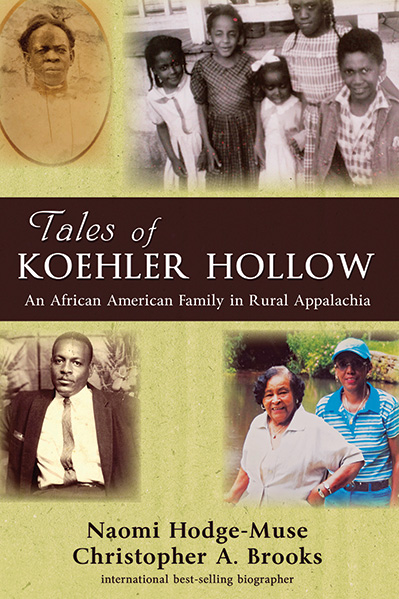
Christopher A. Brooks, Ph.D. (World Studies), and Naomi Hodge-Muse authored “Tales of Koehler Hollow: An African American Family in Rural Appalachia.” The book presents a family story as a microcosm of the African American experience in southern Virginia from the mid-19th century to the present, and received the Bill Fisher Award for Best First Book: Nonfiction Gold Award from the Independent Book Publishers Association. He also published “Dual Pandemics: HIV and the Coronavirus in Several Kenyan Communities,” which explored the concurrent effects of HIV and coronavirus on people in the East African country.
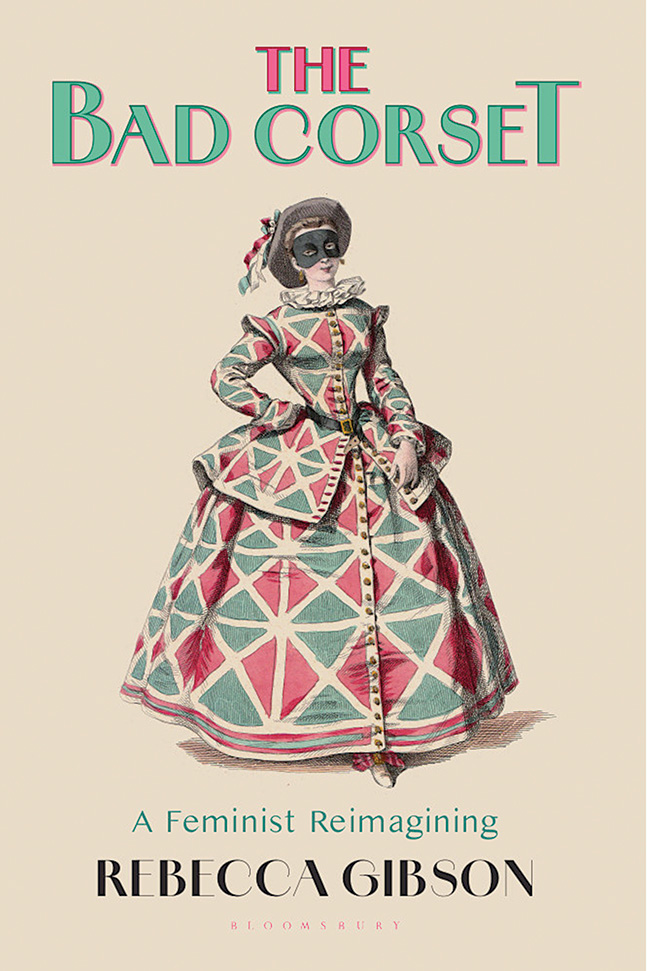
Rebecca Gibson, Ph.D. (World Studies), published “The Bad Corset,” which examines Ludovic O’Followell’s “Le Corset,” a French medical textbook published in 1908 while exploring contemporary anti-woman bias and challenging widely held conceptions about corsetry’s contribution to disease, disfigurement, and disorders of the female body. She also published “Cyborgs, Ethics, and The Matrix,” which explored the film franchise, its relationship with sex and gender, and its emphasis on the interconnectedness of people, as well as current and potential cyborg (human-machine hybrids) technology.
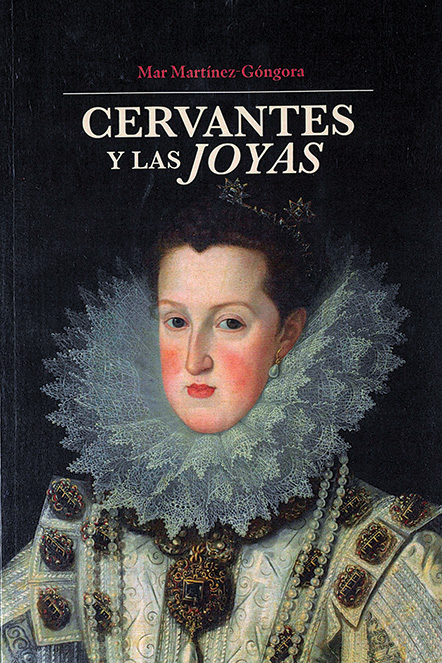
Mar Martínez-Góngora, Ph.D. (World Studies), published “Cervantes y las Joyas” (“Cervantes and Jewels”), which explores the 16th- and 17th-century writer’s use of jewels and gems in his work.
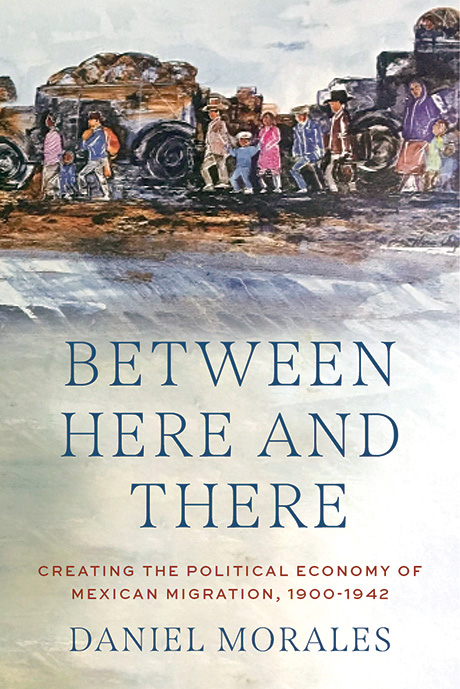
Daniel Morales, Ph.D. (History), published “Between Here and There: Creating the Political Economy of Mexican Migration, 1900-1942,” which examines the creation of transnational migratory networks across Mexico and the United States in the 20th century, illustrating how large-scale migration became entrenched in both countries’ socioeconomic fabric.
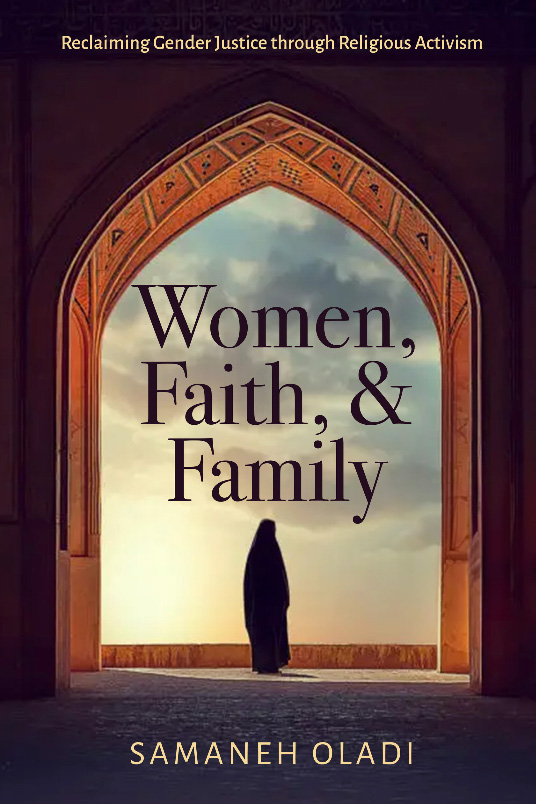
Samaneh Oladi, Ph.D. (World Studies), published “Women, Faith, & Family: Reclaiming Gender Justice through Religious Activism,” which provides an in-depth look at the ways Iranian women engage in faith-based activism to advance gender justice within the framework of Islam and the contextual realities of their country.
The College of Humanities and Sciences wishes our colleagues a happy retirement!
Dusan Bratko, Ph.D. (Chemistry)
Deirdre Condit, Ph.D. (Political Science)
Timothy Donahue, Ph.D. (Psychology)
Shelli Fowler, Ph.D. (English)
Sally Hunnicutt, Ph.D. (Chemistry)
Clint McCowan (English)
Robert Sims, Ph.D. (World Studies)