International social justice alum uses law degree to support sustainability and water security
March 4, 2026
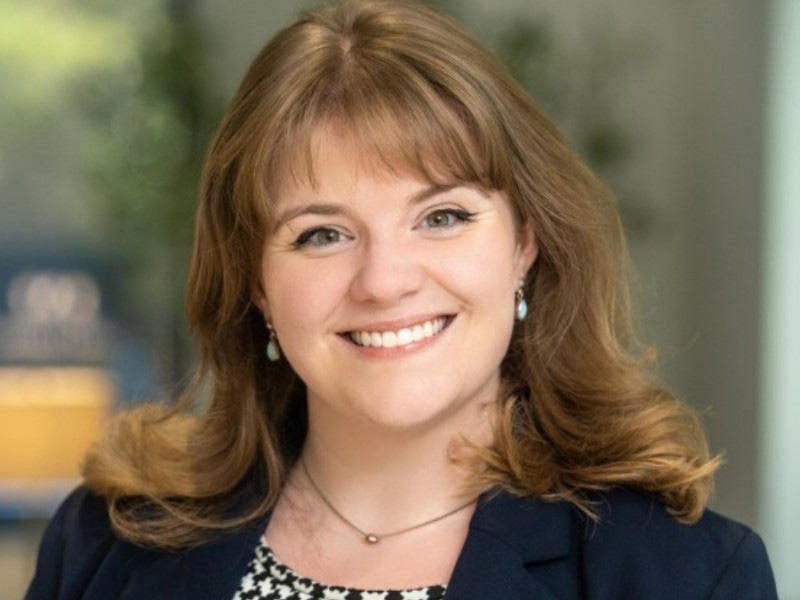
Courtney LaTourrette, J.D. (B.A.’20), works in support of her company’s efforts to advance sustainability and increase access to safe, clean water. Her legal work for Xylem, centered around positive community impact, has roots in her time at VCU when she was a member of the Academic Scholars Program in Real Environments (ASPiRE) while pursuing her bachelor’s degree in international social justice. It’s a path that she naturally created for herself despite initially not being interested in law school.
LaTourrette is now also proud to give back to her alma mater as she returns to campus this spring to speak with current international studies students about her career and what’s possible after their undergraduate studies.
What drew you to VCU to pursue a degree in international social justice?
 I was immediately drawn to VCU’s campus. After my first visit, I just had that feeling it was the right fit because it combined lively city energy with a true college environment. I actually started college as an elementary education major, quickly realized that wasn’t my lane, and found my way to international studies. I’ve always been passionate about social justice and global issues, and the School of World Studies gave me a way to turn that big-picture passion into something more concrete, rooted in diplomacy, human rights and social justice work.
What is your favorite memory from attending VCU?
One of my favourite memories from my time at VCU was performing at the Altria Theater with the School of the Performing Arts in the Richmond Community (SPARC) in June 2019. I was involved with SPARC through the VCU Academic Scholars Program in Real Environments (ASPiRE) Program. My VCU colleagues and I volunteered weekly at the LIVE ART classes, designed for youth with and without disabilities, and worked together in a variety of performing and visual arts activities. In addition to our very talented students and volunteers, I was lucky to share the stage at our LIVE ART family performance with incredible names like Jason Mraz, Hanson, MILCK and Kori Withers.
What was it like participating in VCU ASPiRE? What did you take away from that experience?
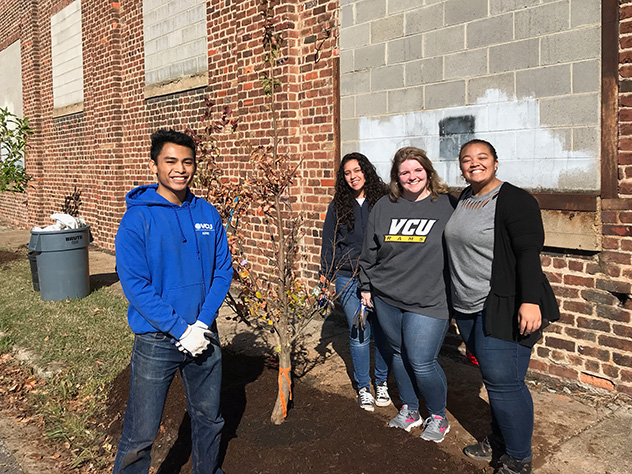
 ASPiRE was my first real taste of what it means to be truly plugged into a community; not just doing service hours. It taught me that meaningful change happens where policy, law and community overlap. During my time in the program, ASPiRE director Erin Brown, Ph.D., emphasized listening to our community neighbors. She taught us the importance of asking a community what it needs instead of showing up and assuming you already have the answers. ASPiRE was such an incredible program and I am very grateful I had the chance to participate.
Was there a faculty member that made a particular impact on your education and/or career journey? How so?
Aspen Brinton, Ph.D., had a huge impact on me. I was lucky enough to take several of her classes, and I left every single one feeling inspired and stretched in the best way. Her passion for her work and for academia was contagious, and she really pushed me to think more deeply about politics, justice and dissent. I was also very influenced by classes with Cliff Edwards, Ph.D., who taught about Buddhism and wrote an incredible book on Vincent Van Gogh’s connection to Buddhism and Christianity in his life and art. Both of them helped me see how ideas, faith, philosophy and justice all intersect.
 What inspired you to pursue your law degree?
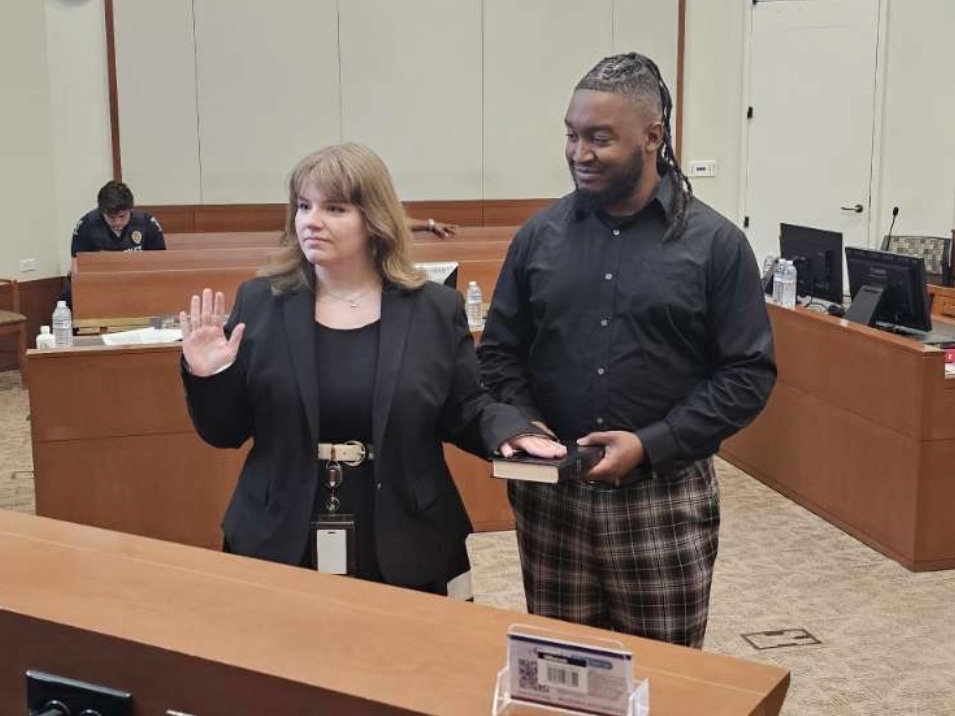
I honestly never thought I’d go to law school. My aunt suggested it back in high school, and I pretty much brushed it off. Then my freshman year roommate, Marina Pugh, mentioned she wanted to go to law school, and I remember being so impressed by her drive. I graduated in May 2020, when job options were limited, so I earned my paralegal certificate through VCU Office of Continuing and Professional Education, and that, combined with my time at VCU, nudged me toward law school. I’m really grateful my path unfolded the way it did. Growing up overseas and studying international social justice showed me up close how systems can really help or hurt people, and that’s what pushed me to become a lawyer — so I could step into that gap and advocate for them.
Tell me about your current role as a contract manager at Xylem. How did the curriculum in the School of World Studies prepare you for your professional work?
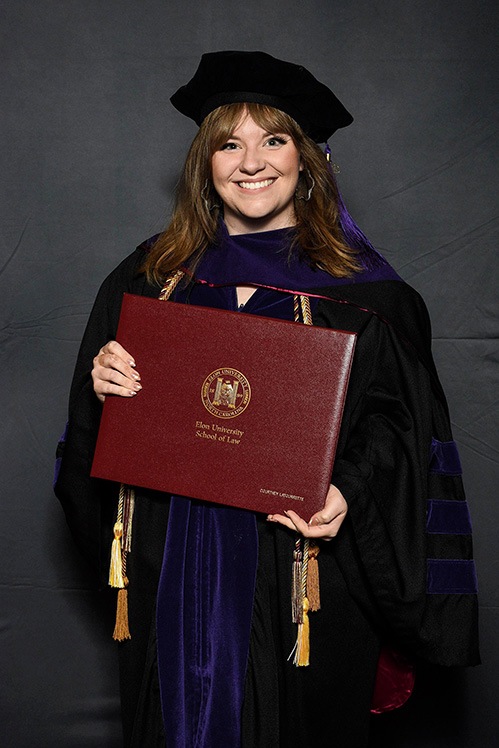 As a contract manager at Xylem, I sit within the legal department and support a mission-driven company focused on solving water challenges and advancing sustainability worldwide. Day-to-day, I’m drafting, reviewing and negotiating contracts, working closely with business and technical teams, and keeping an eye on legal and commercial risk. It is very rewarding to work for a company that is focused on sustainability and building a more water-secure world.
My School of World Studies curriculum gave me a toolkit I use daily: how to analyze complex systems, understand different cultures and perspectives, and communicate clearly with people from various backgrounds. Those skills show up every day whether I’m negotiating contracts, working with global teams or doing pro bono work in my community.
What’s your why?
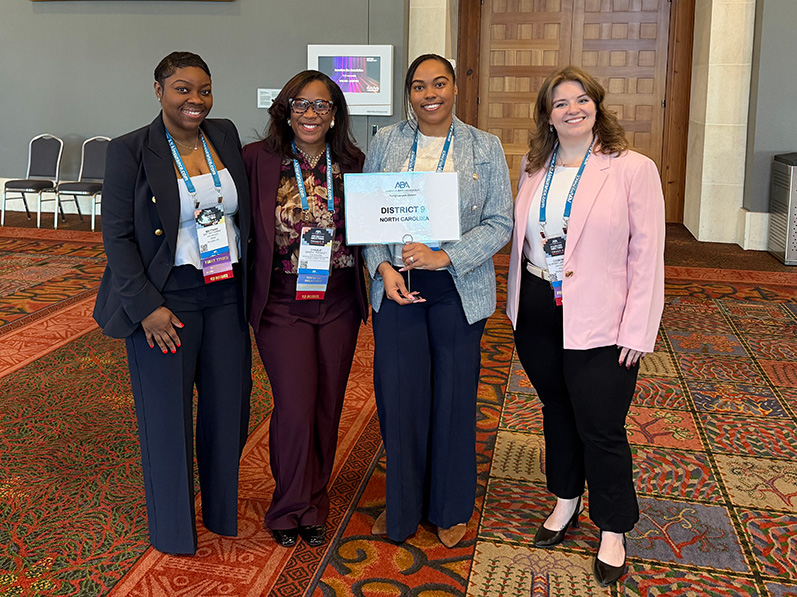
My “why” is pretty simple: I want to use whatever skills I have—legal, professional or otherwise—to make systems a little fairer, kinder and easier for people to navigate. Whether that’s through community work, bar association involvement, pro bono service or how I show up at work, I try to leave people and institutions better than I found them. At the end of the day, it all comes back to service, dignity and making sure people feel seen and supported.