The College of Humanities and Sciences commemorates the 250th anniversary of the signing of the Declaration of Independence with a series of events throughout 2026.
Speakers with diverse viewpoints and backgrounds from CHS and the community will explore the original ideals from the time of the founders as well as the state of U.S. Democracy in modern America. CHS departments and schools are also contributing their own events to this series to further the civic discourse about the political and social issues of our time.
America at 250 Upcoming Events
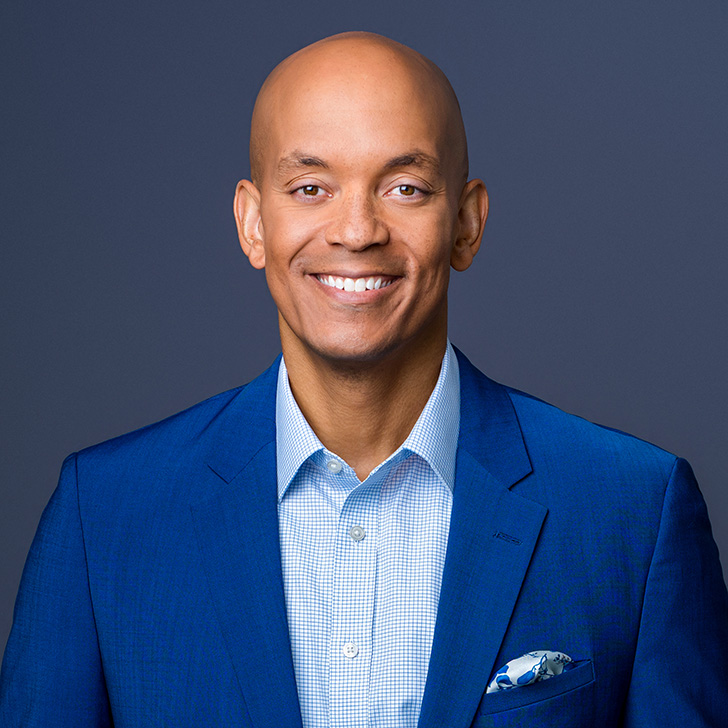
Black Out Loud: A Conversation with Geoff Bennett
 Friday, Oct. 9, 3-4 p.m.
STEM Building (817 W. Franklin St.), room 216
Join VCU's College of Humanities and Sciences and the Richard T. Robertson School of Communication for a conversation with Geoff Bennett, the co-anchor and co-managing editor of the PBS NewsHour. Bennett will discuss his book "Black Out Loud: The Revolutionary History of Black Comedy from Vaudeville to '90s Sitcoms," in which he chronicles the transformative history of Black comedy in America, drawing on research and interviews with the actors and executives behind some of the most impactful shows. This exploration traces the evolution of Black comics and provocateurs who reshaped the culture and ultimately became powerful agents of social change -- transforming the way America laughed along the way. A Peabody Award-winning journalist, Bennett has reported on national politics at the highest levels — covering the White House and six presidential election cycles — while conducting exclusive interviews with cultural icons, world leaders, and groundbreaking artists. His work bridges politics and culture, offering clear-eyed insight into the forces that shape American life.
The conversation will be moderated by Jesse Vaughan (B.S. ’80), a 35-time Emmy Award–winning filmmaker, American director, producer, and founder of Vaughan Creative Partners.
The event is followed by a reception.
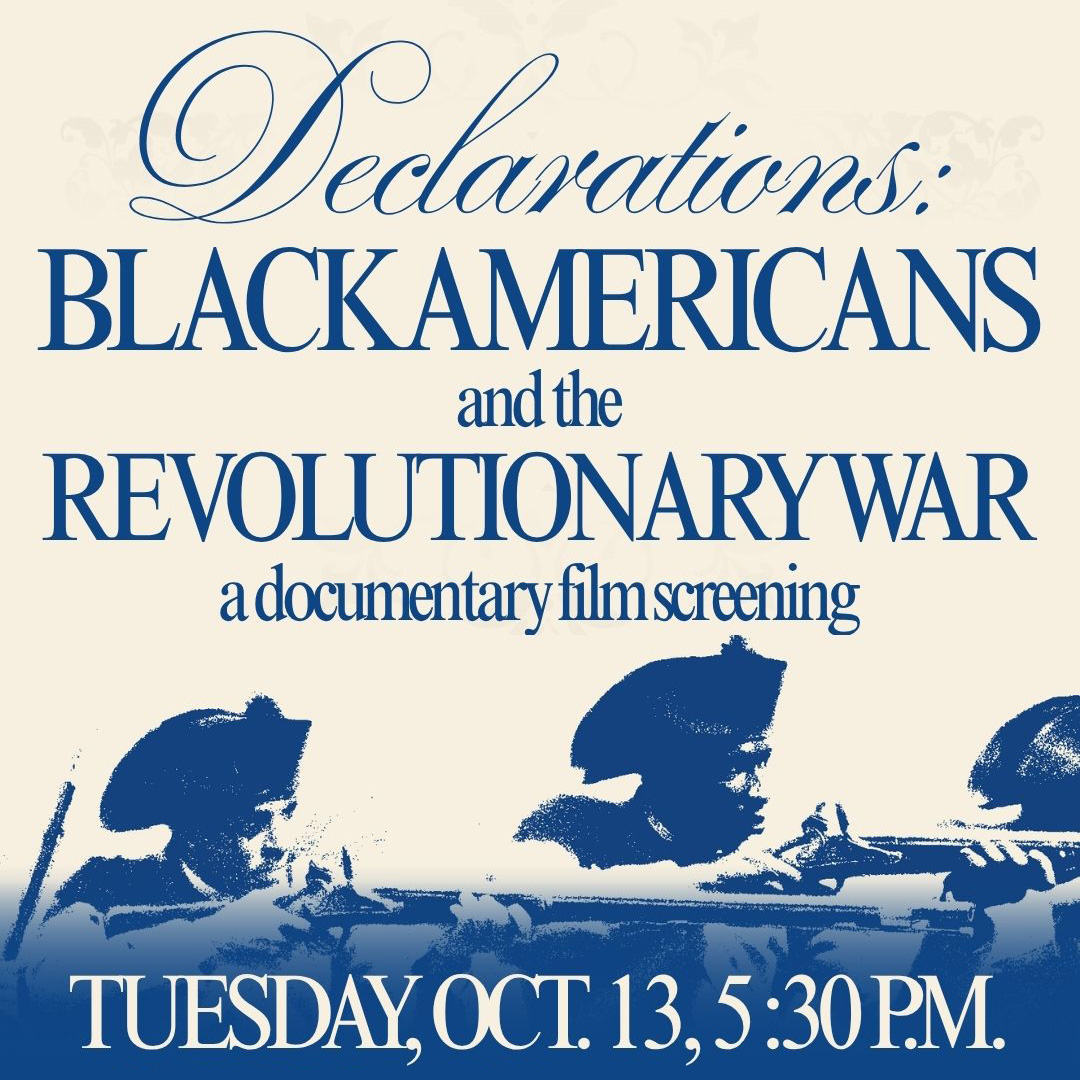
Declarations: Black Americans and the Revolutionary War
 Tuesday, Oct. 13, 5-8 p.m.
James Branch Cabell Library (Room 303), 901 Park Ave.
In partnership with the L. Douglas Wilder School of Government and Public Affairs and Virginia Public Media (VPM), the College of Humanities and Sciences presents a screening of the documentary “Declarations: Black Americans and the Revolutionary War” from VPM and director Stacey L. Holman. The documentary explores the important role Black Americans played as America fought for its independence. The event will be hosted by Dr. Sesha Joi Moon, chief diversity officer and director of diversity, equity, and inclusion for the Commonwealth of Virginia. Doors open and a pre-event reception begins at 5 p.m. The screening will begin at 5:45 p.m.
What's at Stake? A Preview of the Midterm Elections
 Wednesday, Oct. 28, 5:30-7 p.m.
STEM Building (817 W. Franklin St.), room 110
As the country prepares for the congressional midterm elections on Nov. 3, please join our panel of faculty from the Department of Political Science to discuss the major topics of the elections and the future control of the US House of Representatives and the US Senate. The following faculty members will be part of the panel that will also be able to answer your questions about any aspects of the midterm elections: Ambassador Anthony Godfrey, former Lieutenant Governor Bill Bolling, Dr. Hollie Mann, and Dr. Jatia Wrighten.
Registration forthcoming
What Happened? An Analysis of the Results in the Midterm Elections
 Thursday, Nov. 5, 6-7:30 p.m.
STEM Building (817 W. Franklin St.), Room 112
Two days after the congressional midterm elections on Nov. 3, our panel of faculty from the Department of Political Science will discuss the outcomes of the elections, the control in the US House of Representatives and the US Senate, and the impact on the future of the country. The following faculty members will be part of the panel that will also be able to answer your questions about the outcome of the midterm elections: Dr. Alex Keena, Dr. Alexandria Davis, Dr. John Aughenbaugh, and Dr. John Froitzheim.
Registration forthcoming
Jewish Patriots and the American Revolution
 Monday, Nov. 9, 5-6:15 p.m.
Location to be announced
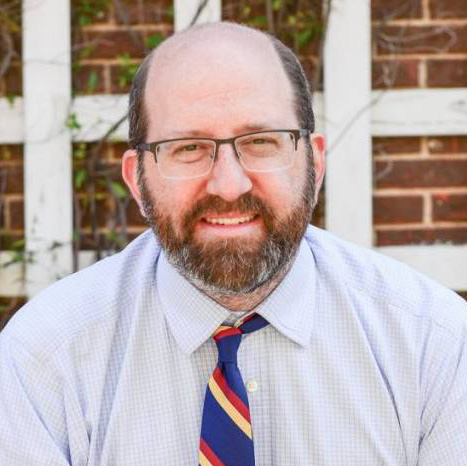
This event is presented by the Lyons Chair in Judaic Studies in the Department of History. In his visit to the VCU campus, Dr. Adam Jortner will talk about the main points he writes about in his book, "A Promised Land: Jewish Patriots, the American Revolution, and the Birth of Religious Freedom." His talk will explore the central role of Judaism in the making of the United States and its definition of citizenship, widening the scope of the American Revolution and those who fought in it, including Jewish patriots. In addition, he will break down the myth that America was founded as a Christian nation first and foremost. Adam Jortner is author of three books, including "A Promised Land: Jewish Patriots, the American Revolution, and the Birth of Religious Freedom" (Oxford University Press, 2024), and has been teaching, researching, writing, and storytelling about American history for the last 20 years.
See additional information about the event.
Songs of American Democracy: The Protest Music of Social Movements in the United States
 Thursday, Dec. 3, 5:30-7 p.m.
STEM Building (817 W. Franklin St.), room 112
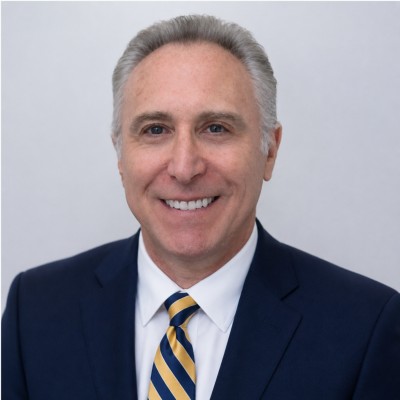
Join the College of Humanities and Sciences for a special lecture by Eric S. Slater from the Richard T. Robertson School of Communication, Virginia Voice and WRIR-LP 97.3 FM Richmond, about the protest music that played alongside the major social movements from the 1960s to today. Listen to clips from Bob Dylan and Joan Baez to Marvin Gaye, Helen Reddy and Bruce Springsteem to Kendrick Lamar and Bad Bunny and discuss the impact of music on our democracy. Slater will take his audience on a tour from the Freedom Summer and March on Washington in the 1960s to the louder and angrier rock music during the Vietnam War Protests and to the biting social critiques across all music genres from the 1980s to the present.
Registration forthcoming.
Looking for a fall course?
U.S. Democracy United/Divided
DMCY 200 and HUMS 291* - Fall 2026
As the United States celebrates the commemoration of the 250th anniversary of the signing of the Declaration of Independence in 2026, this special topics course brings together faculty experts from a variety of disciplines in the College of Humanities and Sciences to lecture on topics relating to American democracy. The course examines the history of American democracy, the role of institutions, civic participation, political polarization, media influence, and issues of representation. Students will critically assess the current state of democracy and areas of unity and division in the country through readings and discussions and engage in a group research project to explore in-depth an area of American democracy and propose pathways for the future.
*with cross-listings in AMST, ANTH, ENGL, GSWS, HIST, INTL, MASC, PHIL, POLI, RELS, SOCY, WRLD
Past Events
 October 6
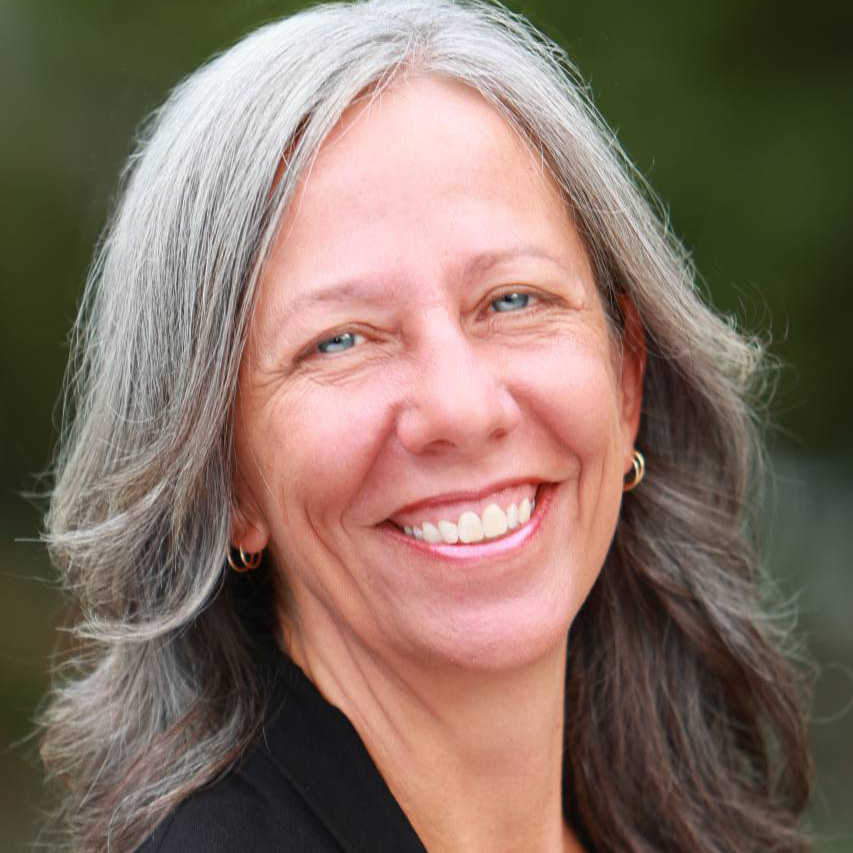
This event is organized by the Society of the Cincinnati in the State of Virginia in partnership with the VCU History Department and is sponsored by the Virginia Museum of History and Culture and the College of Humanities and Sciences. The talk by Pulitzer Prize winner and historian Dr. Kathleen DuVal explores what the American Revolution was like for Native Nations. From Bunker Hill to Yorktown to conflicts on the British colonies’ western border, Native nations were part of the American Revolution. How they participated in it varied depending on their circumstances, and their choices affected the outcome and history ever since.
Dr. DuVal is a Distinguished Professor of History at the University of North Carolina at Chapel Hill. She is the author of the Pulitzer Prize-winning "Native Nations: A Millennium in North America" as well as "Independence Lost: Lives on the Edge of the American Revolution" and the U.S. history textbook "Give Me Liberty!" DuVal is a Guggenheim Fellow and has written for The Atlantic, Time magazine, the New York Times, and the Wall Street Journal. She appeared in the recent Ken Burns film The American Revolution.
 October 5
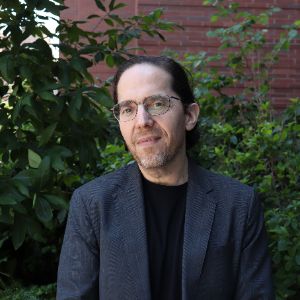
Is AI just the next disruptor in a long line of world-changing technologies, or is it something genuinely new? Dr. Jason Ross Arnold, professor and chair of the Department of Political Science and an affiliated faculty member in the Department of Computer Science, tackles this question by placing artificial intelligence within the longer arc of technologies that have reshaped American democracy—from steam power and radio to the Bomb and the Internet. Drawing on these historical cases, the lecture examines how sweeping technological change has repeatedly transformed both democratic institutions and everyday civic life, and asks whether AI's current disruptions follow a familiar historical pattern or mark a genuine break from everything that came before.
 Sept. 28
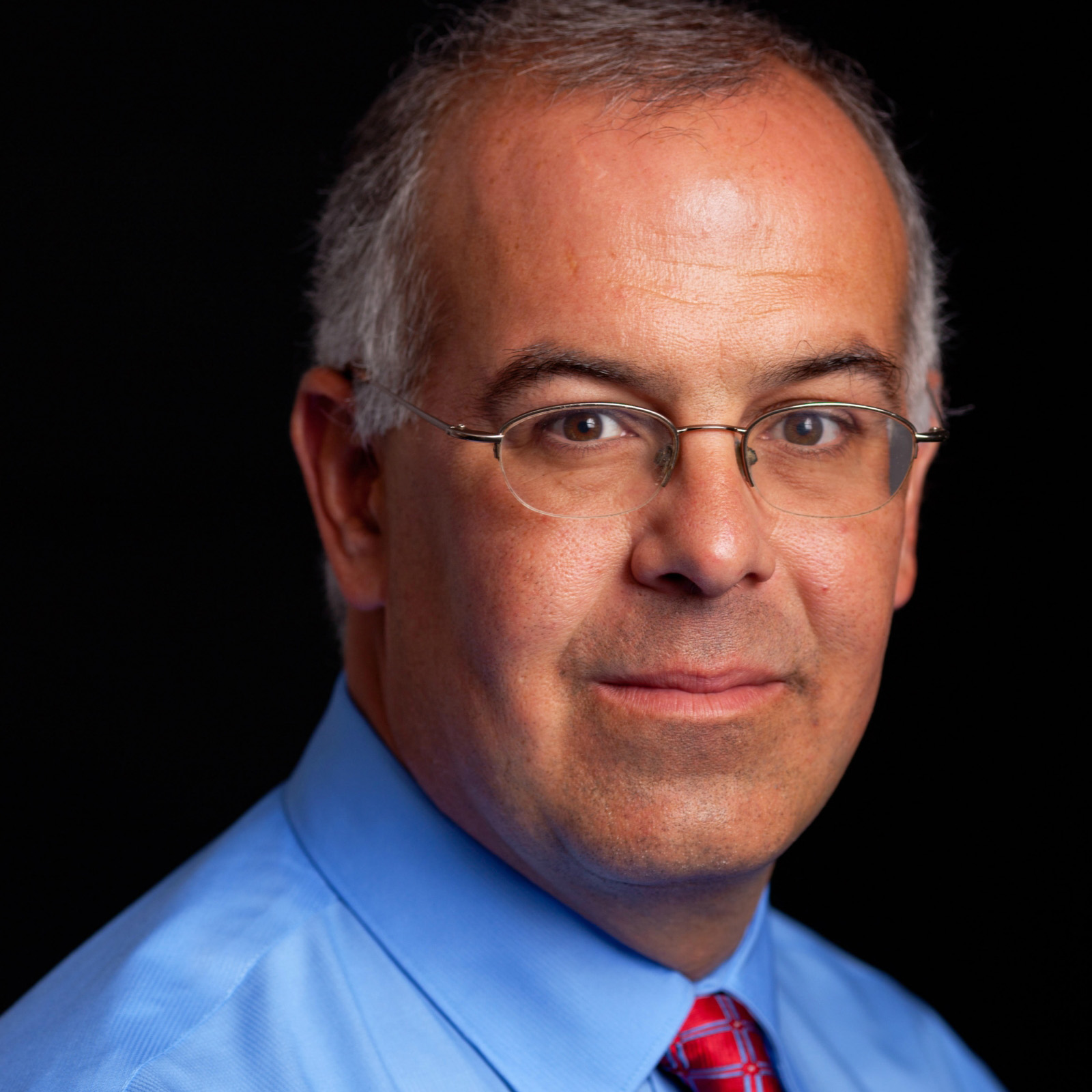
Join VCU's College of Humanities and Sciences Baldacci Institute and the Library of Virginia for an evening with author and political commentator David Brooks. Brooks is a bestselling author, Yale's Jackson School of Global Affairs first presidential senior fellow, a contributing writer at The Atlantic and recurring commentator on PBS NewsHour. With decades of experience as an op-ed columnist for the New York Times, Brooks is an insightful observer of the American way of life and a savvy analyst of present-day politics and foreign affairs whose columns are among the most read in the nation.
 Sept. 9
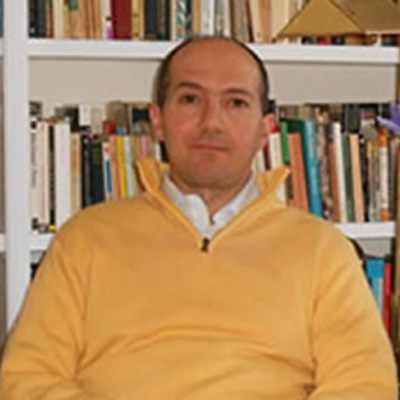
What if the most famous line in American political thought wasn't new—and wasn't even Jefferson's? This talk, led by Dr. Bernardo Piciché, associate professor in the Department of English, argues that "All men are created equal" belongs to a much older and broader intellectual tradition than most Americans assume.
Piciché calls for a sound relativism that resists American exceptionalism and the mythology of manifest destiny, situating the nation's founding within a much broader cultural and intellectual history. Central to his argument is Filippo (Philip) Mazzei, an Italian philosopher and close ally of Jefferson, whose own political and financial entanglements placed him at the heart of the transformation from a loose confederacy into the United States. Particular attention will be given to Mazzei's ideological rejection of enslavement, revealing how the era's most defining ideas took shape through influences far beyond the thirteen colonies.
 September 1
As the nation prepares to commemorate its 250th anniversary, the L. Douglas Wilder School of Government and Public Affairs and the College of Humanities and Sciences at Virginia Commonwealth University will convene a conversation on Virginia's role in shaping the nation. Featuring former Virginia governors L. Douglas Wilder and Jim Gilmore, and political analyst Larry Sabato, and moderated by Bob Holsworth, the discussion will reflect on the commonwealth's contributions to American democracy and civic life while exploring the opportunities and responsibilities that will help define its future.
 The College of Humanities and Sciences at VCU is commemorating the 250th anniversary of the signing of the Declaration of Independence with a new summer webinar series. Join faculty from the Department of History as they explore Colonial America, the debates around independence, the founding ideals and tensions, and the story behind the Declaration itself.
Reluctant Revolutionaries: From Loyal Subjects to Fledgling Citizens
May 18
This lecture by Dr. Sarah Hand Meacham explores the surprising loyalty of many colonial Americans before the Declaration of Independence. Despite fifteen months of open warfare, many American colonists remained proud subjects of Britain. Debates over independence unfolded in taverns, churches, and courtrooms, largely among white men, while enslaved people and women navigated the revolution in their own ways, supporting wartime efforts and seeking freedom. This lecture examines the social, political, and psychological forces that made rebellion unlikely, what ultimately pushed colonists toward independence, and the limited immediate changes that followed.
Speaker Bio: Sarah Hand Meacham (Ph.D., University of Virginia) is an Associate Professor and Associate Chair of the Department of History in the College of Humanities and Sciences at Virginia Commonwealth University. She is the author of Every Home a Distillery: Alcohol, Technology, and Gender in the Early Chesapeake (Johns Hopkins University Press) and “Pets, Status, and Slavery in the Late-Eighteenth-Century Chesapeake” in The Journal of Southern History. She is currently writing a book about emotions in early America, including articles on the American invention of cheerfulness and on emotional expectations placed on enslaved men and women.
From "Nature's God" to "Divine Providence": Faith and the Founding of the United States
June 1
This lecture by Dr. Ryan K. Smith explores the role of religious faith in the founding of the United States and what the revolutionaries meant by terms such as "Nature's God" and "Divine Providence." The discussion considers the diversity of religious groups in the colonies, the beliefs of key founders, and the documents that shaped both religious freedom and national identity. These questions remain deeply relevant in contemporary debates.
Speaker Bio: Ryan K. Smith (Ph.D., University of Delaware) is a professor in the Department of History in the College of Humanities and Sciences at Virginia Commonwealth University. He specializes in American religious history, material culture, and historic preservation. His work includes studies of Shaker furniture, American church architecture in the nineteenth century, the adoption of the Latin cross as a Christian symbol, the spiritual meaning of historic lighthouses, and the landscapes of cemeteries. His book Death and Rebirth in a Southern City: Richmond’s Historic Cemeteries (Johns Hopkins University Press, 2020) explores the cultural and historical significance of burial landscapes.
Liberty in a Land of Slavery
June 15
This lecture by Dr. Michael L. Dickinson examines the central contradiction of the Declaration of Independence. While proclaiming that all men are created equal, the emerging nation upheld systems of slavery and racial exclusion. The session explores how people of African descent navigated this tension, contributed to the Revolutionary War, and challenged the boundaries of freedom in pursuit of the American promise.
Speaker Bio: Michael L. Dickinson (Ph.D., University of Delaware) is an associate professor in the Department of History in the College of Humanities and Sciences at Virginia Commonwealth University. His research focuses on African American history, particularly Black life and labor in the eighteenth and nineteenth centuries across the United States and the Atlantic World. He is the author of Almost Dead: Slavery and Social Rebirth in the Black Urban Atlantic (University of Georgia Press, 2022), which received the Paul E. Lovejoy Book Prize for excellence and originality in slavery scholarship.
Was the Declaration of Independence Really a Matter of Common Sense?
June 29
In this lecture, Dr. Carolyn Eastman reexamines the Declaration of Independence in the context of the political, cultural, and social forces shaping the revolutionary moment. From the influence of Thomas Paine’s Common Sense to debates over slavery, religion, and relationships with Native nations, this session challenges common myths and offers a deeper understanding of the document’s origins and impact.
Speaker Bio: Carolyn Eastman (Ph.D., Johns Hopkins University) is a professor in the Department of History in the College of Humanities and Sciences at Virginia Commonwealth University. She is a scholar of early America and the Atlantic world and serves as president of the Society for Historians of the Early American Republic. She is the author of the prizewinning A Nation of Speechifiers: Making an American Public after the Revolution (University of Chicago Press). Her book The Strange Genius of Mr. O: The World of the United States’ First Forgotten Celebrity (University of North Carolina Press) received the 2021 James Bradford Best Biography Prize and the 2022 Library of Virginia Literary Award for Nonfiction. She is currently developing a new book on New York’s yellow fever epidemics during the founding era.
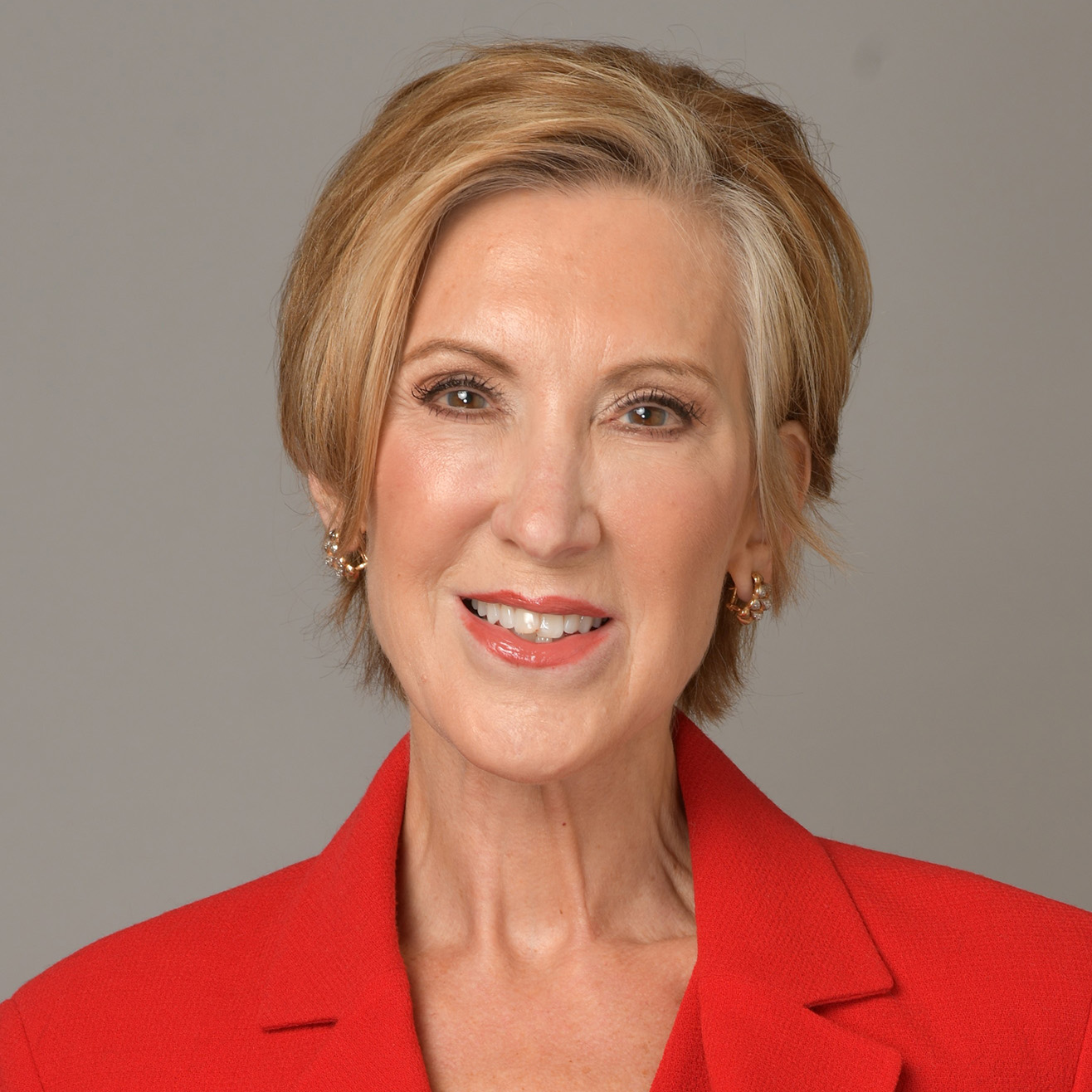 April 8
Join the College of Humanities and Sciences and the Global Education Office for a conversation with Carly Fiorina, National Honorary Chair for the Virginia American Revolution 250 Commission (VA250), who is leading the efforts to commemorate the 250th anniversary of the Declaration of Independence. As Chair and CEO of Hewlett-Packard, she was the first woman at the helm of a Fortune 50 company and led HP to become the largest technology company in the world.
Both government and the private sector have sought out her expertise and she has advised the Department of Defense, the Central Intelligence Agency, the State Department, and the Department of Homeland Security. She founded Carly Fiorina Enterprises to bring her expertise to private sector teams, and the Unlocking Potential Foundation to allow those in the social sector to benefit from her experience. She is the author of three best-selling books on leadership as well as a frequent speaker to teams and executives of many industries all over the world.
As a former presidential candidate, Carly Fiorina believes that citizens and leaders in civil society have an important role and an enormous opportunity to drive positive change. She serves as Chair of the Board of Trustees of the Colonial Williamsburg Foundation, as Executive Chair of The Williamsburg Institute, which prepares future leaders, and on the Board of Visitors for James Madison University.
As a student of history and philosophy at Stanford University, Carly Fiorina first began to appreciate the power of ideas to drive change and the impact of history on the present and future. She believes that a deeper understanding of our nation’s full history, as well as the ideas upon which America was founded is particularly important during the current climate of division, discord, and political dysfunction. Her stated priority is to ensure that our nation’s founding is widely understood, accurately depicted, and commemorated in a way that resonates broadly with people from all across the nation, especially as we approach the United States Semiquincentennial this year.
This event is hosted by Dr. Catherine Ingrassia, Dean of the College of Humanities and Sciences, and Dr. Jill Blondin, Vice Provost for Global Initiatives as part of the “America at 250” series and the Globe Speakers Series. Welcome remarks will be delivered by VCU President Dr. Michael Rao and Interim Executive Vice President and Provost Dr. Arturo Saavedra. The speaker will be introduced by Dr. Robyn Diehl McDougle, Associate Dean of the L. Douglas Wilder School of Government and Public Affairs, and the conversation will be moderated by Dr. Marcus Messner, Associate Dean of the College of Humanities and Sciences and Professor of Journalism at the Richard T. Robertson School of Communication.
.jpg) March 25
March 25
This #VA250 Public Square event at VCU will bring college students, high school students, faculty, community members, and public officials into a brave space and guided conversation touching all sides of a challenging issue. The Braver Angels format of debate is non-competitive and provides a deep experience of civil discourse. Conducted in a light parliamentary style, and guided by an experienced moderator, it teaches participants to engage with each other respectfully, listen carefully, and allow themselves to be touched and even changed by each other's ideas. Participants emerge with greater empathy and appreciation for diversity of thought.
Co-sponsored by Brightpoint Community College, Reynolds Community College, Institute for Humane Studies, and the Baldacci Institute, this debate is free and brought to you by the College Debates and Discourse Alliance, a partnership of Braver Angels, the American Council of Trustees and Alumni (ACTA), and BridgeUSA, non-profit organizations that amplify the power of free expression and promote respectful exchange of ideas on America's college campuses.
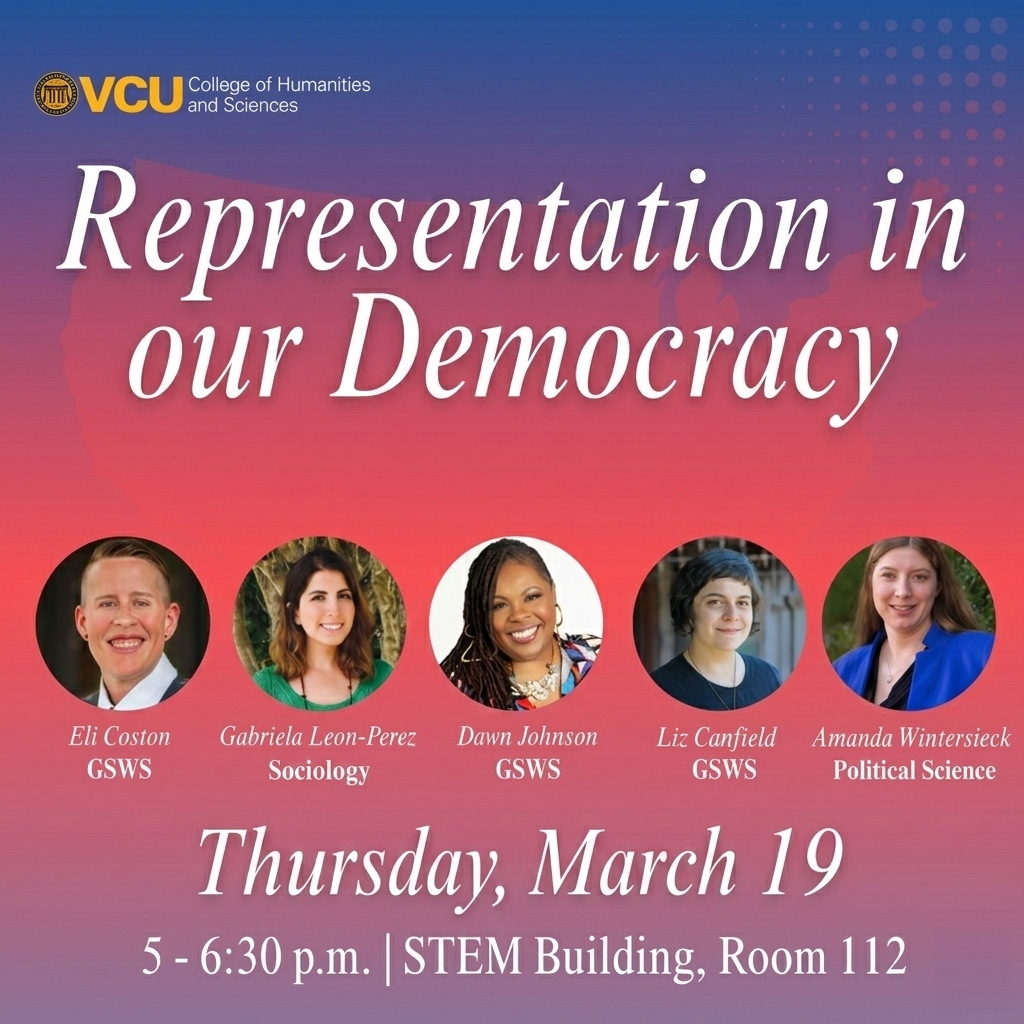 March 19
At its founding in the 18th century, the United States only allowed white male landowners to vote in its first elections. The 14th and 19th Amendments to the Constitution and the Voting Rights Act greatly expanded the electorate and representation in our democracy over the last two centuries. Join a panel of VCU faculty in the College of Humanities and Sciences as they discuss the state of voting rights, representation and threats of sliding backwards as the country prepares to commemorate the 250th anniversary of the signing of the Declaration of Independence this summer. The panel will discuss voting and democratic participation, barriers to democratic participation, representation of minorities, voting rights restoration, immigration, and LGBTQ+ rights.
Featured faculty members: Liz Canfield (Gender, Sexuality and Women’s Studies), Eli Coston (Gender, Sexuality and Women’s Studies), Dawn Johnson (Gender, Sexuality and Women’s Studies), Gabriela León-Pérez (Sociology), and Amanda Wintersieck (Political Science).
.png) February 19
February 19
How does American domestic policy impact international relations? In a time of shifting alliances, deteriorating trust, and eroding international cooperation, join political science faculty as they explore the global effects of what our government does at home. This panel will include experts on both domestic and international issues and they will accept questions from the audience. The town hall event is organized and hosted by the Department of Political Science.
Featured faculty members: Bill Newmann, Hollie Mann, Michael Paarlberg, Andrea Simonelli, Allie Reckendorf, John Froitzheim, and Chris Saladino.
 February 12
The United States turns 250 years old this year as the Declaration of Independence was signed in 1776. But are we living up to the promise of the founding of American democracy—or are we falling short?
Join a panel of VCU faculty in the College of Humanities and Sciences as they discuss the biggest questions facing our democracy right now. From voting rights to political polarization, from social media chaos to the power of protest—this is your chance to hear experts debate what is happening right now and what comes next.
Featured faculty members: Aspen Brinton (International Studies), Alix Bryan (Robertson School of Communication), Alexandria Davis (Political Science), Alex Keena (Political Science), and Bill Newmann (Political Science).
This panel will launch CHS’ series of events highlighting the role of Virginia and Virginians in the building of our country.
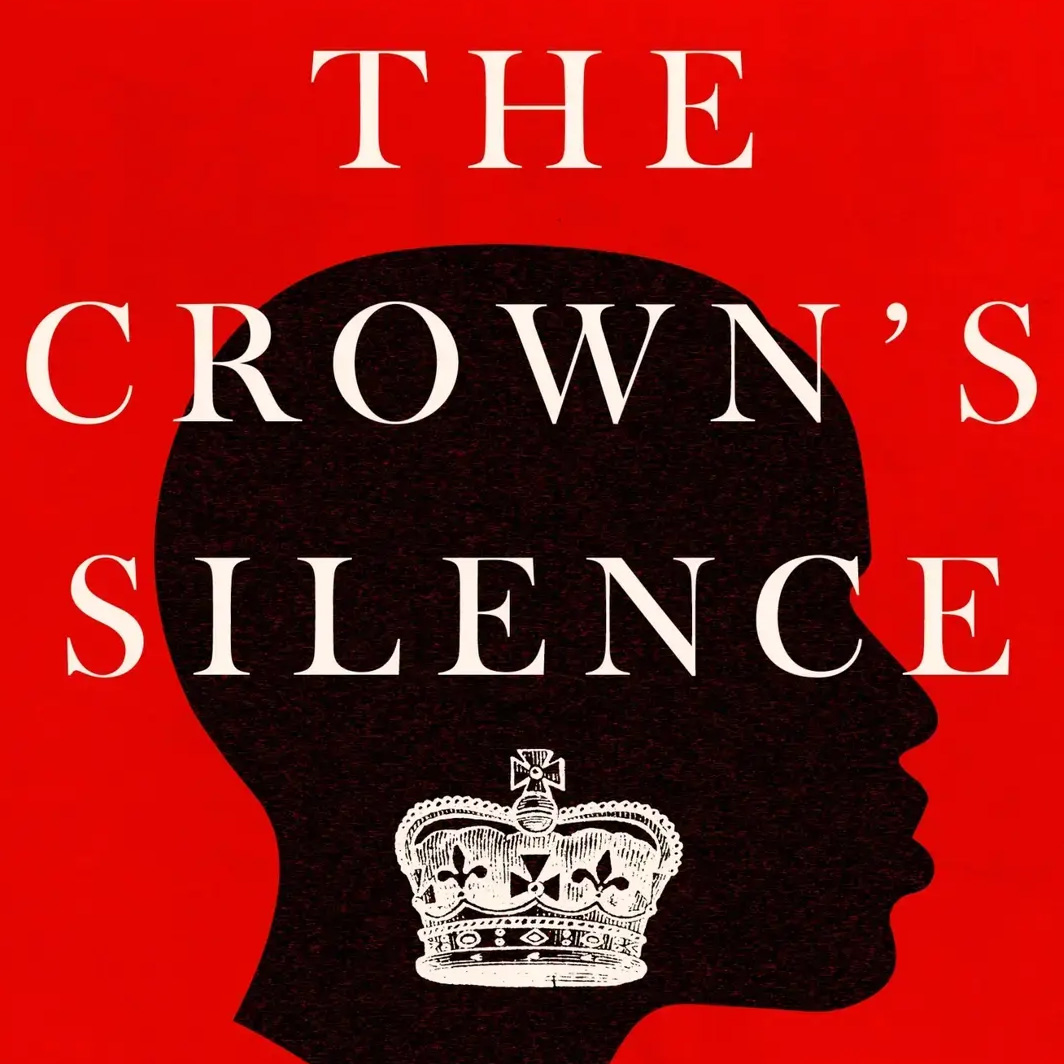 February 5
In this lecture Dr. Brooke Newman presents from her latest book, "The Crown’s Silence: The Hidden History of the British Monarchy and Slavery," which examines the historical links between the British Crown and slavery from the sixteenth through the nineteenth century. She traces the extent to which British monarchs and members of the royal family invested in and defended the transatlantic trade in African captives and the expansion of colonial slavery in the Americas before pivoting to embrace anti-slavery during the age of Victoria.
Newman's work reveals how Crown involvement in slave trading and slavery evolved as the institution of the monarchy and the exercise of royal power transformed over the centuries.
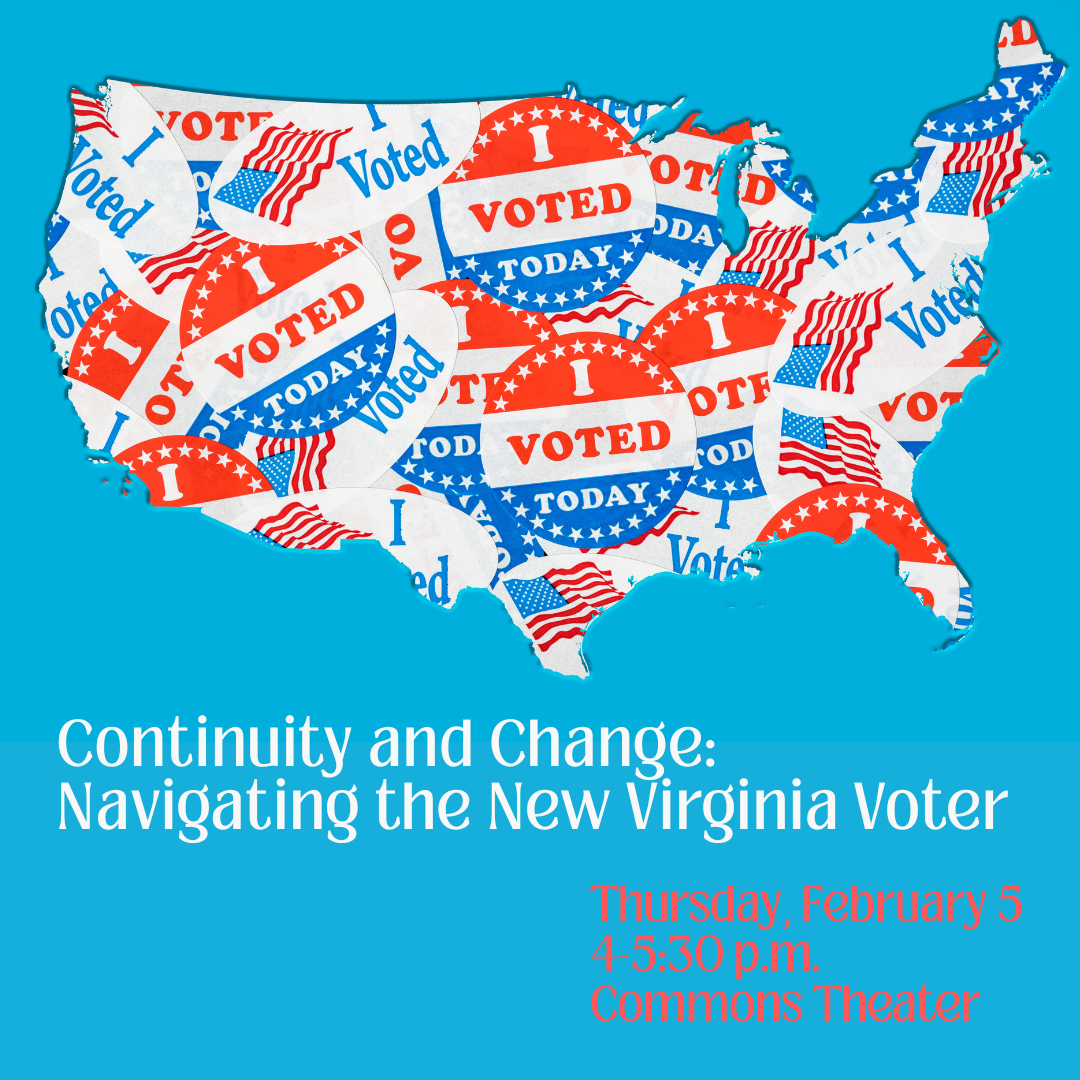 February 5
As Virginia solidifies its role as the nation’s political bellwether, the "rules of the game" are changing as fast as the players. Join us for an intimate chat with John C. Fortier, senior fellow at the American Enterprise Institute and one of the country’s foremost experts on election administration and the Electoral College.
Following the historic turnout of the 2025 Virginia elections, we dive deep into the data: Is the Gen Z surge a temporary wave or a permanent realignment? From the logistics of "no-excuse" absentee voting to the philosophical debate over the Electoral College, Fortier will pull back the curtain on how the mechanics of our democracy are being tested by a new generation of voters.